
Home design priorities have changed significantly in recent years. Many homeowners now look for practical solutions that reduce cleaning, repairs, and long-term upkeep. This shift has increased interest in low-maintenance home materials across kitchens, bathrooms, flooring, outdoor spaces, and overall interior design. Modern lifestyles often leave people with less time for constant home maintenance, making durability and convenience more important than before. Materials that resist stains, moisture, scratches, and fading are becoming increasingly popular in both renovations and new construction projects. Understanding why low-maintenance materials are gaining attention helps explain broader changes happening in modern home design and everyday living preferences.
Prioritizing Everyday Convenience
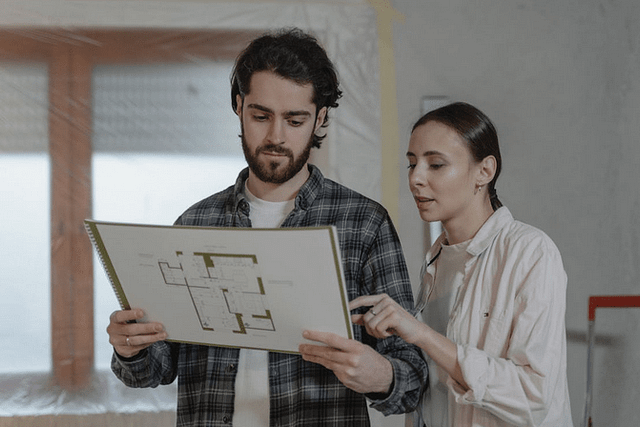
Many homeowners now value convenience more strongly when making design decisions. Busy schedules and demanding routines leave fewer opportunities for constant cleaning or home repairs. Low-maintenance materials reduce the amount of effort required to keep living spaces functional and visually appealing. Surfaces that resist stains, water damage, or scratches often save time and reduce frustration during daily routines. This focus on convenience reflects changing lifestyle priorities in modern households.
Supporting Busy Modern Lifestyles
Modern households often balance work, family responsibilities, and digital lifestyles simultaneously. Many people no longer want homes that require constant attention to remain functional or attractive. Materials that are easy to clean and resistant to wear help support faster and more efficient routines. This is especially important in homes with children, pets, or high daily activity. Low-maintenance design allows homeowners to spend more time using their living spaces rather than constantly maintaining them.
Reducing Long-Term Maintenance Costs
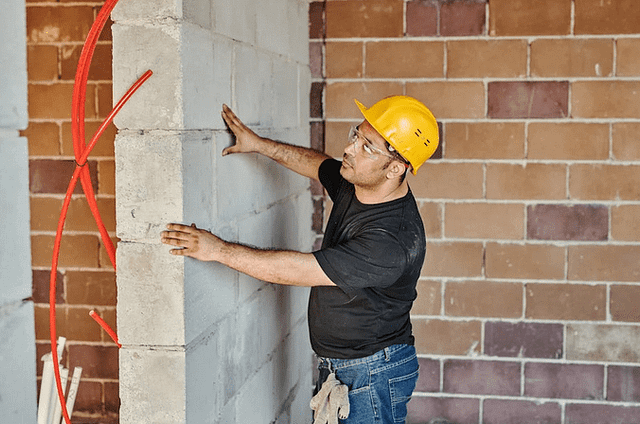
Home maintenance can become expensive over time. Frequent repairs, repainting, refinishing, or replacements often create ongoing costs for homeowners. Low-maintenance materials are often chosen because they remain durable for longer periods with fewer repairs. Flooring, countertops, siding, and outdoor materials designed for durability may reduce long-term spending connected to upkeep. Many homeowners now view maintenance-friendly materials as practical financial investments rather than simply design choices.
Improving Durability and Longevity
Durability has become an important priority in modern home design. Homeowners increasingly prefer materials that can handle regular use without quickly showing damage. Engineered flooring, quartz countertops, composite decking, and moisture-resistant finishes have gained popularity because of their long-lasting performance. These materials often tolerate heat, spills, humidity, and physical wear better than some traditional alternatives. Longer-lasting materials also reduce the need for frequent remodeling or replacements over time.
Adapting to Modern Design Preferences

Low-maintenance materials are no longer viewed as purely functional. Many modern options combine durability with stylish appearance and design flexibility. Manufacturers now produce materials that imitate natural textures while offering easier maintenance and improved resistance to damage. Homeowners can achieve modern aesthetics without committing to highly demanding upkeep routines. This combination of appearance and practicality has increased interest in maintenance-friendly materials across many home styles.
Encouraging Practical Homeownership
People increasingly view homes as spaces that should support comfort, efficiency, and long-term functionality. Low-maintenance materials align with practical homeownership because they simplify daily care and reduce stress connected to repairs or upkeep. This trend also reflects broader interest in sustainable and intentional living habits. Some homeowners prefer buying durable materials once rather than replacing lower-quality options repeatedly. Practicality now plays a larger role in design decisions than purely decorative preferences alone.
The growing interest in low-maintenance home materials reflects changing lifestyle habits, financial priorities, and modern design preferences. Homeowners increasingly value convenience, durability, and long-term practicality when choosing materials for living spaces. Busy schedules, rising maintenance costs, and the desire for more efficient homes have all contributed to this trend. Modern materials now offer both visual appeal and easier upkeep, making them attractive for a wide range of households. As home design continues evolving, low-maintenance materials will likely remain an important part of modern construction and renovation planning. They support practical living while helping homeowners create comfortable spaces that require less ongoing effort and maintenance.